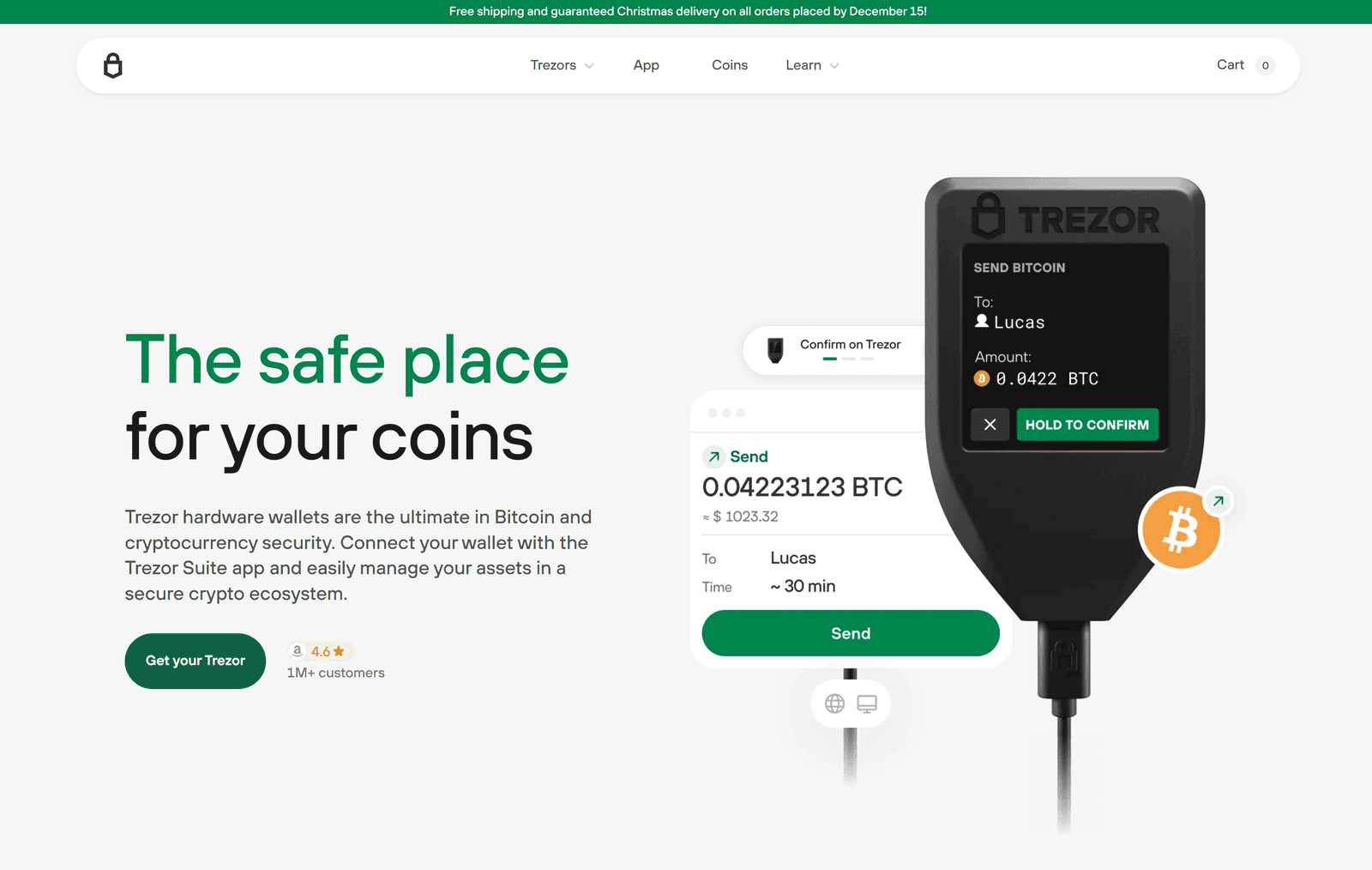
🔎 What is Trezor.io/Support
Trezor.io/Support is the official help center for Trezor hardware-wallet users. It’s part of the main Trezor website and maintained by the company behind Trezor — ensuring it offers verified guidance, troubleshooting, documentation, and access to support channels. Trezor+2Trezor+2
On the “Support” page, users can:
Browse a Knowledge Base with FAQs and articles for common questions (device setup, firmware, coins, transaction issues, etc.). Trezor+2Trezor+2
Access community support through the official community forum, where users and sometimes Trezor staff discuss issues and solutions. Trezor+1
Submit a support ticket (if the Knowledge Base doesn’t solve the problem) via the site’s built-in support/contact form or chat interface. Trezor+1
In short: Trezor.io/Support is meant to be your central point of reference when something goes wrong — or when you just need clarity on how to use your wallet properly.
🛠️ What Trezor Support Handles — and What It Doesn’t
✅ What They Handle
Device setup / initialization: If you just bought a Trezor (Model One, Model T, Safe series, etc.), support guides help you unbox, authenticate the device, and link it to the official app faq-public-trzor.me-page.com+2io-strt-trezar.framer.media+2
Troubleshooting connectivity or software issues: Problems like “device not recognized,” “wallet not connecting,” or similar issues usually have documented solutions on the support site. app.trezoriosstart.com+1
Order, shipping, order issues, or refunds: If you bought Trezor hardware through the official shop, support handles order tracking, lost packages, overpayments, cancellations, and other purchase-related issues. Trezor
RMA / Warranty support: If your hardware fails, and it’s within warranty, support can help with return / replacement instructions. Trezor+1
Guides for coins, firmware, passphrase, security best practices: The support site and FAQs walk you through recommended security standards — how to store backups (recovery seed), how to set a passphrase, how to update firmware, and how to avoid common mistakes or threats. Trezor+2app.trezoriosstart.com+2
🚫 What They Don’t — and What You Should Be Careful About
They will never ask for your recovery seed or private keys. As emphasized by Trezor’s own security guidance, any request for your seed phrase, PIN, or passphrase — whether by email, support ticket, phone, or chat — is a scam. Trezor+2Trezor Forum+2
They don’t provide phone-based or WhatsApp-style support. Support is routed through their website, chat (bot), or forum / ticket system. Trezor Forum+1
Emails or messages claiming to be from “Trezor Support” must be treated with extreme caution. In fact, in mid-2025 the company publicly warned that scammers exploited their contact form to send bogus emails to users, impersonating support and requesting backup phrases. Paubox+1
They can’t help restore your funds if you lose your recovery seed. Since Trezor is non-custodial — it never holds your crypto, just grants access — if seed is lost and there’s no backup, there's no way to recover access. Trezor+2Trezor Forum+2
⚠️ Why Security Awareness Matters When Using Trezor Support
Because hardware wallets like Trezor give you full control over your private keys — and with that, full responsibility — it’s critical to use the official support channels properly and safely. Some recent events show why vigilance is key:
In June 2025, attackers abused Trezor’s contact form to send seemingly legitimate—but fake—support emails, asking users to “confirm” their seed. As reported by the company, this was not a data breach but rather a misuse of the form by outsiders. Paubox+1
Many in the community (e.g. on forums or Reddit) consistently remind fellow users that no real support person will ever ask for your recovery seed. Requests for the seed, especially unsolicited ones, are always scams. For example, one user wrote:
“No one from the Trezor team … would ever ask for your recovery seed! Beware of scams and phishings.” Reddit+2Reddit+2
Because of such scams, you should always navigate to Trezor.io manually (don’t click links in emails), avoid disclosing your seed phrase, and verify any support request, even if it looks official. The official support page itself reiterates these best practices. help-en-us-public-trezo.teachable.com+2Trezor+2
In effect, using Trezor safely means combining official support resources with healthy suspicion of any out-of-band contact or requests.
💡 How to Get the Most Out of Trezor.io/Support (Best Practices)
If you own a Trezor wallet — or plan to — here’s how you should approach support:
Always start with the Knowledge Base or FAQs on Trezor.io/Support. Many common issues (device not recognized, firmware update failure, coin/token not visible, etc.) are solved there.
Use the official support ticket / chat interface for unresolved issues. Provide clear details: device model, firmware version, OS, steps you already tried.
Never enter your recovery seed into any web form or share it with anyone. If someone asks, treat it as a phishing attempt.
Verify you’re on the correct domain (trezor.io) before downloading software, firmware, or submitting support tickets. Bookmark the page to avoid phishing redirects.
Consider community resources (forums) for peer support, but rely primarily on official guidance when security is involved.
🧠 Why Trezor Support Is Important for Crypto Self-Custody
Using a hardware wallet like Trezor is a powerful statement: you’re taking full control of your digital assets rather than trusting exchanges or custodial services. But with that power comes responsibility — and that’s where a reliable, official support channel becomes essential.
Trezor.io/Support is more than a “help desk.” It’s a safety net — for setup, for technical issues, for order or warranty problems, and for security guidance. Especially in a world where phishing, scams, and fake wallets are common, having an authoritative source of truth is not optional — it’s vital.
For long-term crypto holders or anyone who values self-custody, knowing where and how to get reliable support can make the difference between nights of peace and a potential loss of funds.